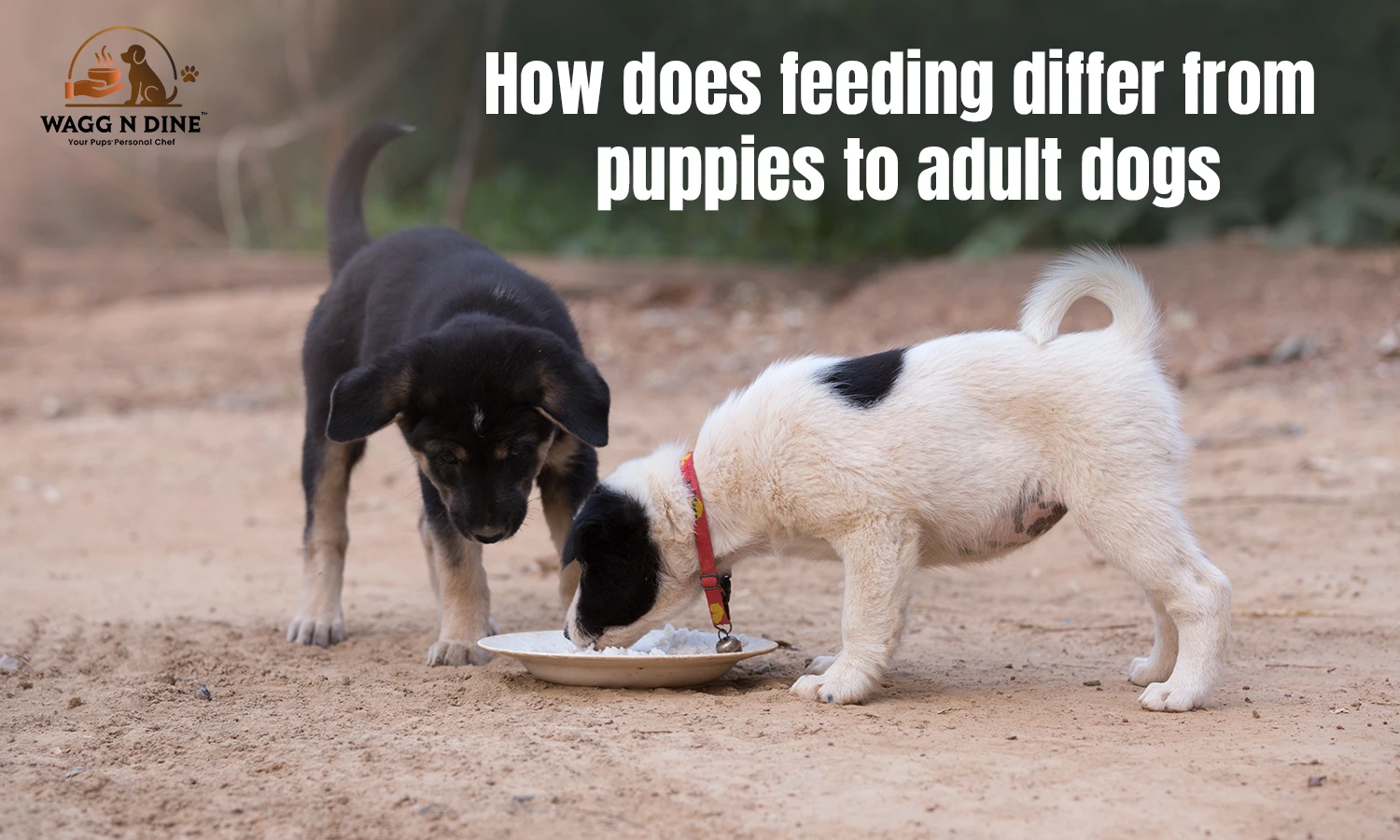
How does feeding differ from puppies to adult dogs
Learn how feeding differs from puppies to adult dogs and understand nutrition, feeding schedules, and the right diet for every stage.
Introduction
If you’ve ever asked yourself, does feeding differ from puppies to adult dogs, the answer is a clear yes. Feeding is not just about giving food, it is about giving the right nutrition at the right stage of life. Puppies and adult dogs have completely different needs, and understanding this difference helps you take better care of your pet.
Puppies are growing rapidly, which means their bodies need more energy, more nutrients, and more frequent meals. Adult dogs, however, need food that helps maintain their weight and overall health. Knowing how feeding differs from puppies to adult dogs can make a big difference in your pet’s long-term well-being.
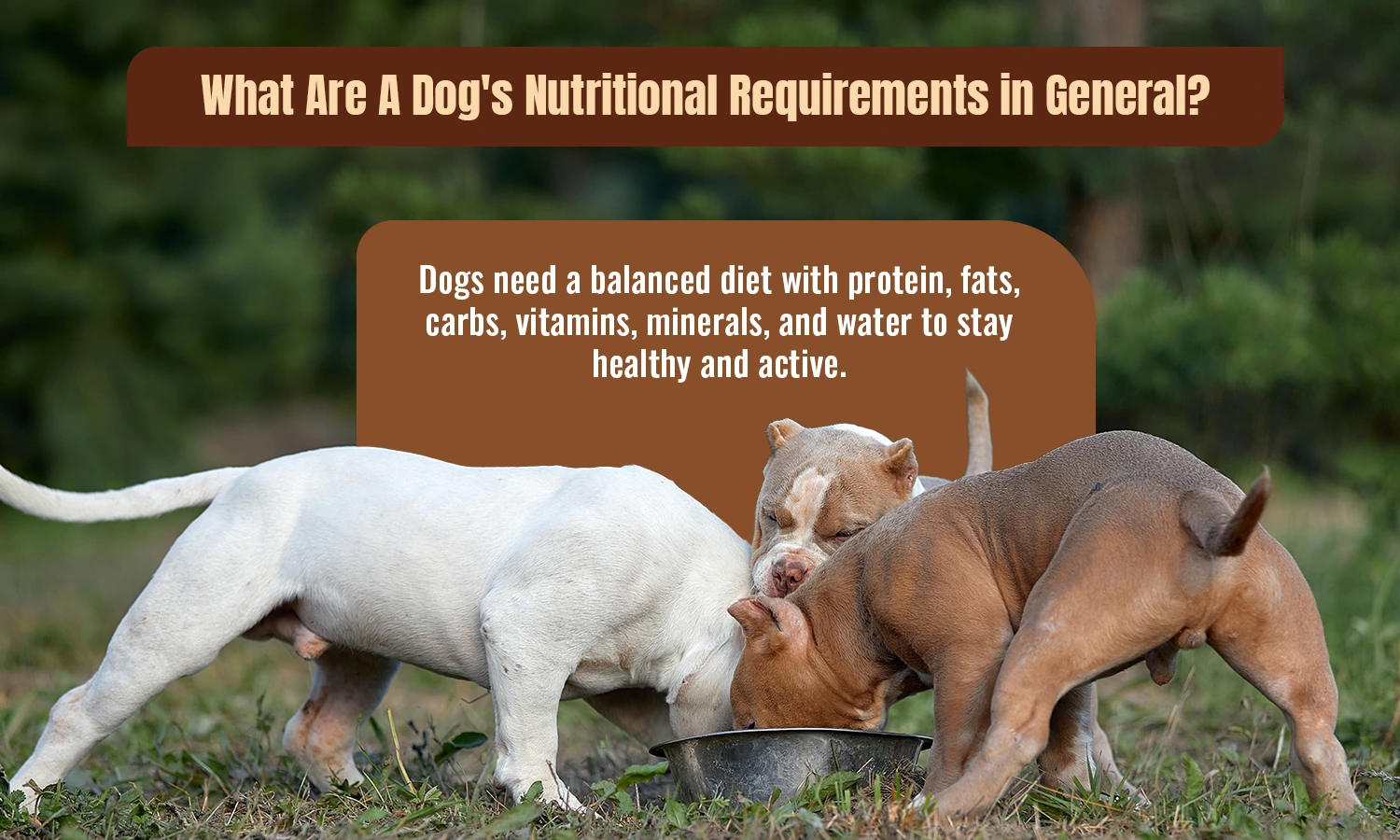
What Are A Dog's Nutritional Requirements in General?
Before understanding how feeding differs from puppies to adult dogs, it is important to know what every dog needs in their diet. Dogs require a balanced mix of proteins, fats, carbohydrates, vitamins, minerals, and water to stay healthy. Each of these plays a specific role in keeping your pet active and strong.
Proteins help in building and repairing muscles, while fats act as a major source of energy. Carbohydrates provide quick fuel, and fiber supports digestion. Vitamins and minerals keep bodily functions running smoothly. Together, these form the base of proper dog nutrition, which should never be compromised.
A well-structured approach using proper dog meal plans ensures that your pet receives all these nutrients in the right amounts. Choosing food from a reliable healthy pet food brand can also help maintain this balance consistently without confusion.
How Does Feeding Differ From Puppies to Adult Dogs?
When we look closely at whether feeding differs from puppies to adult dogs, the biggest differences lie in nutrition, portion size, and feeding frequency.
Puppies require food that is rich in calories, protein, and fat because their bodies are constantly growing. They need this extra nutrition to develop strong bones, muscles, and organs. Adult dogs, on the other hand, no longer need growth-based nutrition. Their food is designed to maintain their current body condition and prevent unnecessary weight gain.
Feeding frequency is another major difference. A proper feeding schedule for puppies includes multiple meals throughout the day because puppies have small stomachs but high energy needs. Missing the right feeding times for puppies can lead to low energy levels and affect their growth. Adult dogs, however, are comfortable with one or two meals a day, as their metabolism is more stable.
The transition from puppy food to adult food should also be done carefully. Depending on the breed, this shift usually happens between 9 months to 24 months. It’s always best to change food gradually over a week to avoid digestion issues. This entire process clearly shows how feeding differs from puppies to adult dogs in both daily routine and nutritional planning.
How Dog Food Delivery Helps Feeding Your Dog The Right Dog Food?
Understanding how feeding differs from puppies to adult dogs becomes easier when feeding is consistent and well-managed. This is where dog food delivery services can make a real difference for pet parents.
These services simplify feeding by offering ready-to-use meals that match your dog’s age, weight, and activity level. Many of them provide access to the best fresh dog food in India, which is prepared using balanced ingredients suited for different life stages. This helps ensure that your pet gets the right nutrition without you having to constantly plan or measure meals.
Another advantage is consistency. When food is delivered regularly, you are less likely to run out or switch diets suddenly. This helps maintain stable digestion and energy levels, especially when your dog needs dog food for energy to stay active and healthy.
Over time, this structured approach makes it easier to follow the correct feeding pattern and manage the differences in feeding needs as your pet grows.
Key Takeaways
- Does feeding differ from puppies to adult dogs mainly in nutrition, portion size, and feeding frequency.
- Puppies need more calories, protein, and frequent meals for proper growth.
- Adult dogs require balanced meals to maintain health and weight.
- Feeding schedules play an important role in energy and digestion.
- Choosing the right food helps support your dog at every life stage.
Conclusion
To sum it up, does feeding differ from puppies to adult dogs is an important question every pet parent should understand. Puppies need nutrient-rich food and frequent meals to support their growth, while adult dogs need controlled portions to maintain their health.
By paying attention to these differences, you can build better feeding habits and avoid common mistakes. A consistent diet, proper planning, and the right food choices will ensure your dog stays healthy and active throughout every stage of life.
FAQs
1. Can Puppies And Senior Dogs Eat The Same Food?
No, puppies and senior dogs cannot eat the same food because their nutritional needs are completely different. Puppies need more calories and protein for growth, while senior dogs need lighter diets that support joint health and digestion. This clearly shows how feeding differs from puppies to adult dogs and across different life stages.
2. Can A 3-Year-Old Dog Eat Senior Dog Food?
A 3-year-old dog is still considered an adult and does not require senior dog food. Senior diets are designed for older dogs with slower metabolism and specific health concerns, so feeding it too early may not meet your dog’s energy needs.
3. When To Stop Feeding A Puppy Three Times A Day?
Most puppies can shift from three meals to two meals a day between 6 to 12 months, depending on their breed and growth rate. Adjusting meal frequency at the right time is a key part of understanding how feeding differs from puppies to adult dogs.
Ready to switch to fresh, vet-approved meals?
Wagg N Dine cooks human-grade dog food fresh every day and delivers it to your door.
Explore Fresh Meals →