Dog Diarrhea: Causes, Cures, and Why Fresh Food Often Solves It
Dog diarrhea has many causes and one of the most overlooked is the food itself. Here is what to do, when to worry, and how fresh dog food prevents most cases.
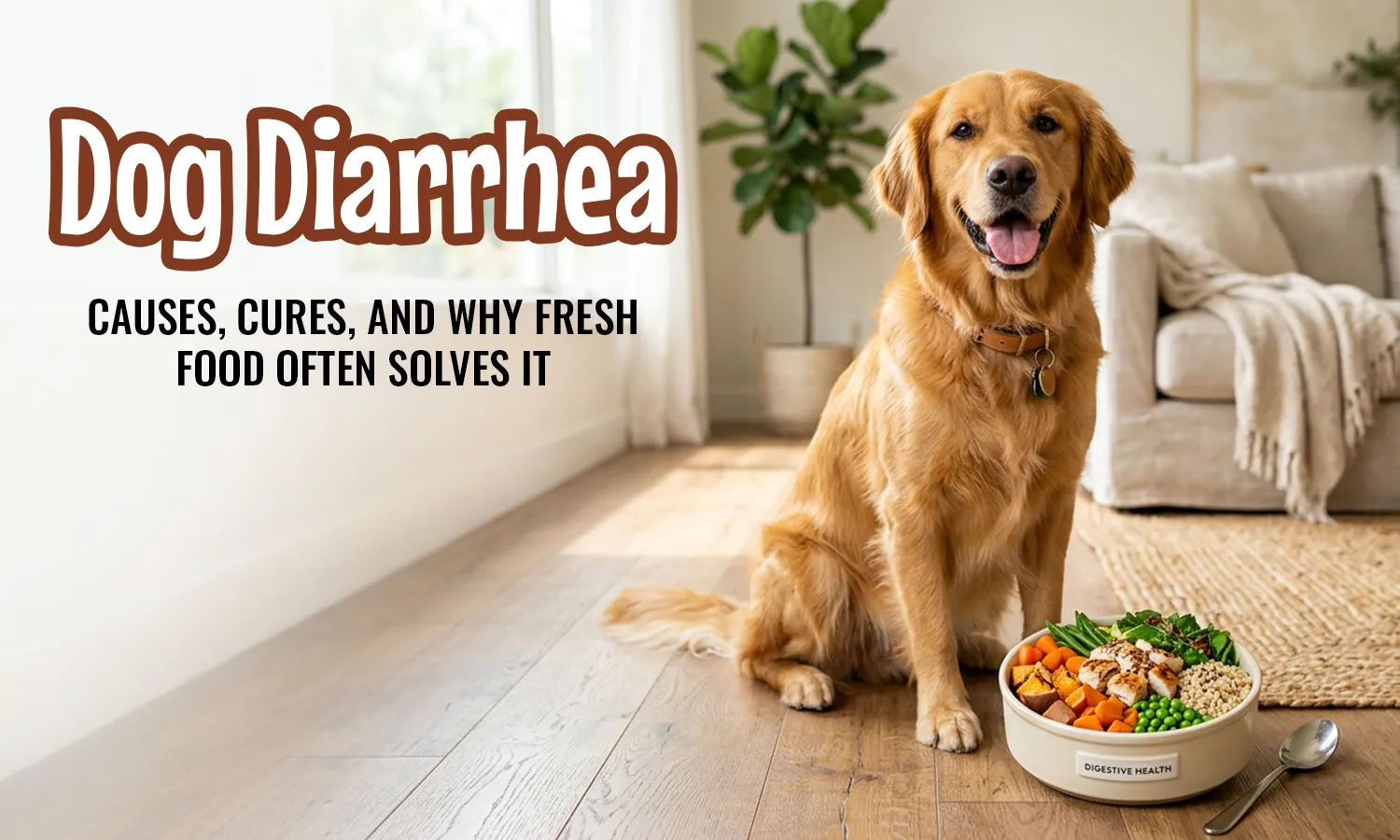
Few things prompt a frantic Google search faster than dog diarrhea. The morning poop scoop is, for many Indian pet parents, the single best diagnostic check on their dog's health, and when it goes wrong when stool becomes loose, watery, mucousy, or alarmingly frequent the worry is immediate. Most dog diarrhea has identifiable causes, most resolves with simple intervention, and a meaningful proportion is directly tied to the diet itself. This guide explains causes, treatment, when to escalate to a vet, and why a switch to quality fresh dog food prevents the majority of diet-related cases.
What Healthy Dog Poo Looks Like
It pays to know your baseline. Healthy dog poo is firm, well-formed, brown, and roughly proportional to the food consumed. It picks up cleanly. It does not have an overwhelming odour. Frequency varies by dog and by diet, but most healthy adult dogs produce one to three formed stools per day.
Dogs on quality fresh dog food typically produce smaller, firmer, less odorous stools than dogs on kibble because fresh food is more digestible and less of it ends up as waste. The difference is dramatic enough that pet parents who switch often report it as the first visible benefit, within the first week.
Common Causes of Dog Diarrhea
Dietary causes are the largest single category. Sudden food changes,switching kibble brands, introducing new treats, table scraps disrupt the gut microbiome and cause loose stools for a few days. Food intolerance, particularly to common kibble ingredients (chicken, wheat, corn, beef), causes chronic intermittent diarrhoea. Spoiled or old food, particularly kibble that has gone rancid in Indian humidity, is another regular culprit.
Beyond diet, common causes include intestinal parasites (worms, giardia, coccidia,particularly common in puppies and rescue dogs), bacterial infections, viral infections like parvovirus (which is medical emergency in unvaccinated puppies), inflammatory bowel disease, pancreatitis, foreign object ingestion, and certain medications. Stress kennel stays, travel, household disruption also produces transient diarrhoea in many dogs.
When to Worry, When to Wait
Most simple dog diarrhoea resolves within 24-48 hours with a brief diet adjustment. The signs that should prompt an urgent vet visit are different. Blood in the stool bright red or dark and tarry needs vet attention. Diarrhoea accompanied by vomiting, particularly repeated or projectile vomiting. Diarrhoea with lethargy, refusal to eat, or fever. Diarrhoea in a young puppy or unvaccinated dog. Diarrhoea lasting more than 48 hours despite home management. Diarrhoea in a small breed or any dog at risk of dehydration.
Dehydration is the real danger in dog diarrhoea, particularly in small dogs and puppies. The dog can lose alarming amounts of fluid quickly. If your dog is lethargic, has dry gums, or shows skin tenting (skin slow to spring back when gently pinched), the situation is urgent.
Home Management for Mild Cases
For uncomplicated mild diarrhoea in an otherwise healthy adult dog, the standard home protocol is gentle. Withhold food for 12-24 hours to let the gut rest, while keeping water freely available. Reintroduce food with a bland diet,boiled chicken breast and plain white rice, in small portions, three to four times a day. This is essentially home-prepared fresh dog food in its simplest form. Continue the bland diet for two to three days, then gradually transition back to the regular diet over another few days.
Plain plain yoghurt, in small amounts, can support gut microbiome recovery. Bone broth, served warm, supports hydration and provides gentle nutrition. Avoid commercial probiotics unless the vet recommends a specific product,some are more useful than others.
Why Fresh Dog Food Prevents Most Diet-Related Cases
A meaningful proportion of chronic and recurring dog diarrhea cases resolve when the dog is moved to a quality fresh dog food diet. The reasons are mechanical. No abrupt brand changes,a fresh dog food subscription delivers consistent recipes. No low-grade ingredients human-grade meat and vegetables are inherently more digestible. No synthetic preservatives, many of the additives that irritate canine guts are simply absent. Single, traceable protein sources allow easier identification of any individual food sensitivity.
Pet parents whose dogs have struggled with chronic loose stools on kibble often see firm, healthy stools within one to two weeks of switching to fresh dog food. The change is reliable enough that veterinarians familiar with fresh feeding often recommend it as a first-line intervention for chronic dietary diarrhoea.
Long-Term Prevention
For pet parents whose dogs have a history of digestive sensitivity, prevention follows clear rules. Avoid table scraps, particularly Indian household food with chilli, salt, oil, onion, and garlic. Avoid frequent treat-brand changes. Maintain a consistent diet,fresh dog food subscription delivery makes this simple. Keep up with deworming and parasite prevention on the schedule your vet recommends. Manage stress around routine disruptions like travel and visitors.
When the diet is clean, consistent, and biologically appropriate, the dog's gut typically settles into a stable, healthy rhythm. Dog poo becomes a non-event in your life. That is the goal.
Solve Diet-Related Diarrhoea at the Source
If your dog has been struggling with chronic loose stools, do not switch kibbles again. TryWagg N Dine's fresh dog food subscription,single-protein recipes, human-grade ingredients, no preservatives, formulated by canine nutritionists. For most diet-related cases, the fix is as simple as changing what is in the bowl.
Frequently Asked Questions
1. What are the most common dietary causes of dog diarrhea in India?
The leading causes of dog diarrhea include sudden food changes, rancid kibble due to humidity, and table scraps containing toxic spices like onion or garlic.
2. Can switching to fresh meals help prevent chronic dog diarrhea?
Yes, fresh food prevents dog diarrhea by removing synthetic preservatives and low-grade fillers that frequently irritate the canine digestive tract and cause inflammation.
3. When should I take my pet to the vet for dog diarrhea?
Consult a vet immediately if dog diarrhea is accompanied by blood, repeated vomiting, extreme lethargy, or if the symptoms last longer than 48 hours.
4. Is a bland diet of rice and chicken effective for dog diarrhea?
A bland, fresh diet is the gold standard for dog diarrhea recovery, as it provides easily digestible nutrients that allow the gut to rest and heal.
5. How does a fresh food subscription reduce the risk of dog diarrhea?
A subscription prevents dog diarrhea by providing consistent, lab-balanced recipes that eliminate the digestive shock caused by switching between different commercial brands.
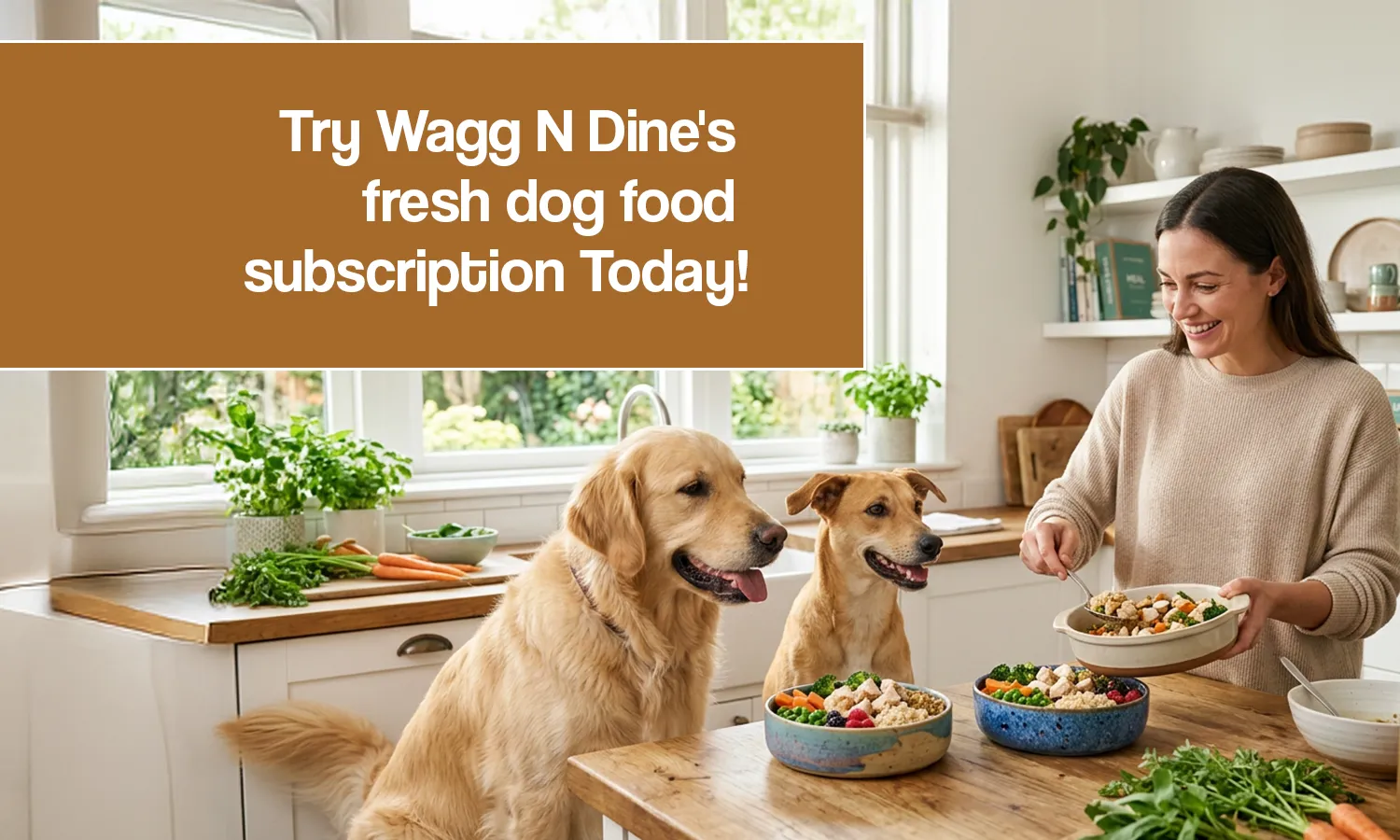
Ready to switch to fresh, vet-approved meals?
Wagg N Dine cooks human-grade dog food fresh every day and delivers it to your door.
Explore Fresh Meals →