7 Hidden Truths About Commercial Kibble and Preservatives
Learn Truths About Commercial Kibble and how preservatives and processing affect your dog's health over time.
7 Hidden Truths About Commercial Kibble and Preservatives
Kibble is the most common way dogs are fed today. It is easy to store, easy to serve and fits a busy life. But many pet parents are starting to ask deeper questions about Truths About Commercial Kibble. They want to know how kibble is made, why it lasts so long and what that means for their dog's body. This blog is not here to scare you. It is here to help you understand what is inside the packet, so you can choose better meals for your dog.
What are kibbles?
Kibble is dry food shaped into small bites. Most kibble is made by mixing ingredients into a dough and cooking it using an extrusion process. This dough is pushed through machines under high heat and pressure, then dried and coated with fats and flavor sprays so dogs will eat it.
This process makes the food shelf stable for many months, which is why kibble became popular worldwide.
Why Dog Owners Should Know What's Inside Kibble?
Dogs eat the same meal again and again. When one type of diet is repeated daily, small ingredient choices matter a lot over the years. Some foods are high-quality and well-balanced. Others may use cheaper fillers or heavy processing that does not suit every dog. Knowing Truths About Commercial Kibble helps you spot what works for your pet and what does not.
7 Hidden Truths About Commercial Kibble and Preservatives
1. Kibble needs preservatives to last long
Dry food can sit in storage for 10 to 12 months. To stop oils from going stale, companies add preservatives. Some use natural ones like tocopherols, while others may use synthetic ones like BHA or BHT.
2. High heat can lower some nutrients
Extrusion uses high temperatures. Heat can reduce some natural vitamins and change protein quality. That is why kibble often needs added vitamin sprays after cooking.
3. Ingredients can look better on paper than in real life
Labels list items in order of weight before cooking. Meat loses water during cooking, so the final product may have more starch than it seems. This does not mean all kibble is bad, but it explains why reading labels needs care.
4. Coatings make kibble tasty, not always healthier
After drying, kibble is sprayed with fats and flavor enhancers. This helps dogs eat it, but it also adds extra calories and can go stale faster once the bag is open.
5. Some dogs do fine on kibble, others do not
A healthy adult dog may handle kibble dog food well. But dogs with allergies, weak digestion, or senior age can struggle with dry, processed diets. Vets often see better stool quality in these dogs after a switch to simpler cooked meals.
6. Kibble dominates the market, so most research compares to it
Many microbiome studies in dogs are built around kibble diets because that is what most dogs eat. Fresh diets are now showing clear differences in gut bacteria when compared to kibble-fed dogs.
7. "Best" is not one brand for all dogs
Marketing often pushes a single product as the best dog food. But dogs are different. The right diet depends on your dog's age, activity and stomach health. The best dog food for dogs is the one that keeps your pet energetic, comfortable and steady in weight over time, not the one with the loudest ad.
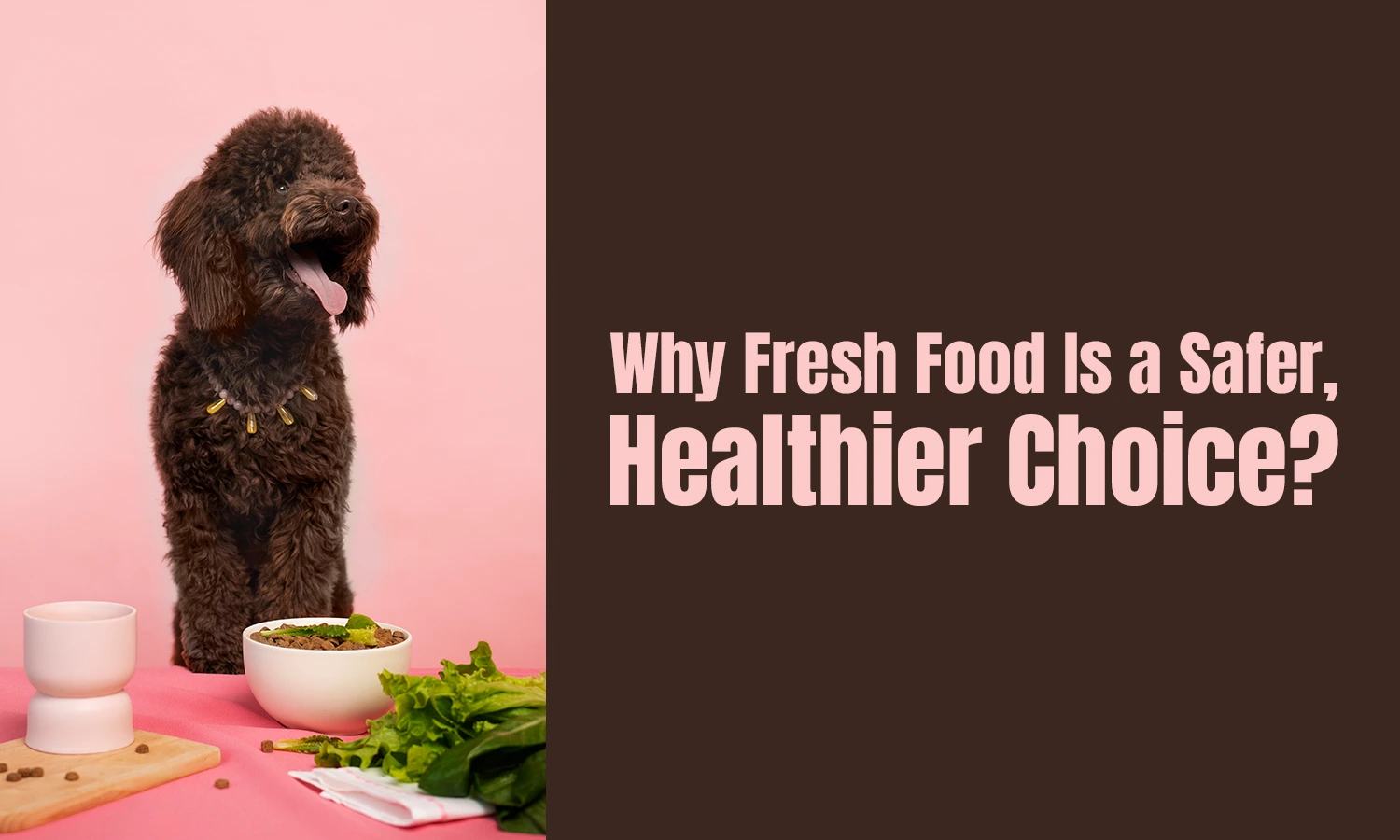
Why Fresh Food Is a Safer, Healthier Choice
Fresh meals are cooked gently, served with natural moisture and made from simple ingredients. Many studies show that mildly cooked diets can be more digestible and support healthier gut patterns than long-term kibble diets.
Fresh feeding also gives you clear control over ingredients. You can avoid heavy fillers and reduce preservative load. That is why many families now see fresh food for dogs as a safer daily habit, especially for picky eaters and sensitive dogs.
Conclusion
Understanding Truths About Commercial Kibble helps you make calmer, smarter feeding choices. Kibble is convenient, but it comes with heavy processing and preservatives that may not suit every dog long term. If you want real, gently cooked food for dogs that is warm at the right serving temperature and made with clear ingredients, choose Wagg N Dine. Our fresh meals give your dog the comfort of home-style food without the daily cooking load.
Key Takeaways
Truths About Commercial Kibble include heavy processing and the need for preservatives.
Extrusion heat can lower some natural nutrients, so many kibbles add vitamins later.
Flavor coatings help dogs eat kibble but add calories and can go stale.
Some dogs thrive on dry diets, others do better on fresh, cooked meals.
A steady, fresh routine can support digestion and gut comfort long term.
FAQs
Is commercial pet food basically junk food for animals?
Not always. Some commercial dog food is balanced and safe. The concern is when low-quality kibble with lots of fillers becomes the only diet for years. Reading labels and watching your dog's digestion helps you judge what suits them.
Should we really be feeding commercial dog food?
You can, if your dog does well on it and the pack says complete and balanced for their life stage. But it is also fine to add fresh-cooked meals a few times a week. Over time, that variety can support better gut health.
What is the Biggest Myth of Kibbles?
The biggest myth is that all kibble is equally good. Dog kibble can vary a lot in ingredient quality, processing style and preservative choice. One dog may thrive, another may not. Your dog's energy, stool, coat and weight are the real test.
You might also like
Ready to switch to fresh, vet-approved meals?
Wagg N Dine cooks human-grade dog food fresh every day and delivers it to your door.
Explore Fresh Meals →