Fresh Dog Food in India:
The Complete Pet Parent’s Guide for 2026
Explore Our Meal
If you have spent even one evening reading the back of a kibble bag, you already know the unease. The ingredient list reads like a chemistry exam, the protein source is described as a 'meal' that may contain rendered parts of unknown animals, and the shelf life rivals that of a paint can. Across Indian metros, from Mumbai to Bengaluru, Delhi to Chennai, pet parents are quietly defecting from this paradigm and choosing fresh dog food instead. The shift is not a fad. It is the most significant change in canine nutrition in three decades, and it is happening fastest in households where dogs are treated, rightly, as full members of the family.
This guide is written for those families. It explains what fresh dog food actually is, why it is nutritionally superior to extruded kibble, how it solves common Indian feeding problems, and what to look for when you choose a fresh dog food brand. It also explains how Wagg N Dine's Human Grade meal subscription, a cloud kitchen built specifically for Indian dogs, fits into the picture. By the end of this 2500-word guide, you will have a complete framework for feeding your dog the way nature, biology, and modern veterinary science all agree they should be fed.
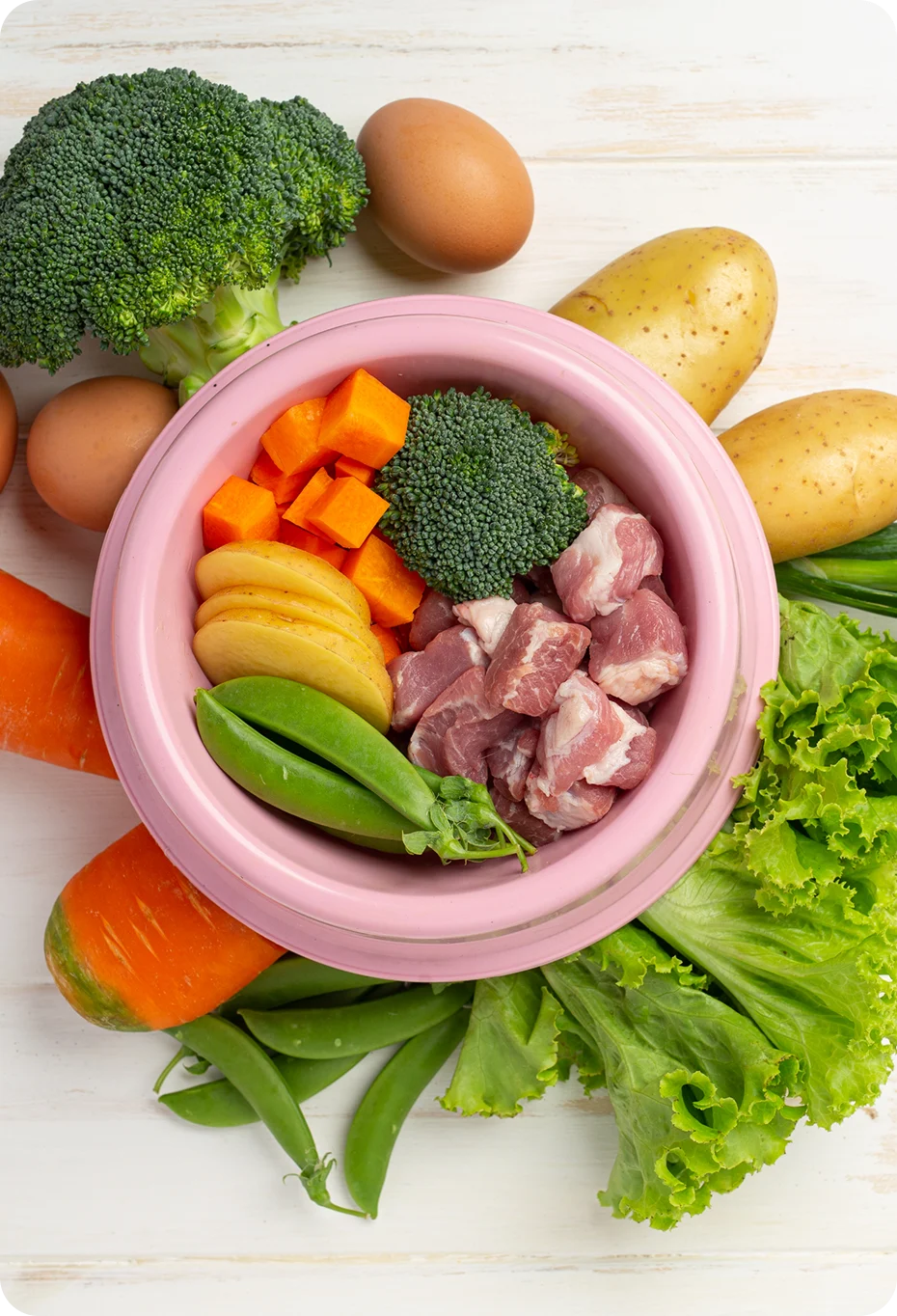
What Is Fresh Dog Food, Exactly?
Fresh dog food is a complete, balanced canine diet made from whole, human-grade ingredients real meat, organ, vegetables, fruits, and supplemental nutrients that is gently cooked and refrigerated or frozen rather than extruded at high heat into shelf-stable pellets. The defining characteristics are three: minimal processing, no synthetic preservatives, and ingredients of the same quality you would accept on your own plate.
This stands in sharp contrast to dry kibble, which is typically cooked twice at temperatures above 200°C, sprayed with rendered fats and flavour enhancers, and stabilised with chemical preservatives so it can sit on a warehouse shelf for two years. Fresh dog food is closer in spirit to home-cooked meals, but with one critical difference. A properly formulated fresh diet meets the National Research Council and AAFCO nutrient profiles for canine maintenance, which most well-meaning home-cooked recipes do not.
In India specifically, fresh dog food has emerged as the answer to two problems pet parents have struggled with for decades: imported kibble that is expensive, stale by the time it reaches the bowl, and formulated for breeds in cooler climates; and home-cooked meals that, while loving, are nutritionally incomplete by the time you account for calcium, taurine, omega-3s, and trace minerals.
Why Fresh Dog Food Outperforms Kibble: The Science

The case for fresh dog food rests on three pillars: bioavailability, ingredient integrity, and metabolic load. When meat is cooked at extreme temperatures, the Maillard reaction creates advanced glycation end-products (AGEs), compounds linked to inflammation and accelerated aging in mammals. Gentle cooking preserves protein structures, vitamins, and beneficial fats that kibble simply cannot retain.
- Bioavailability matters because a dog does not benefit from what is on the label, only from what crosses the gut wall. Fresh dog food is digested more efficiently, which is why pet parents typically observe smaller, firmer, less odorous stools within the first week of switching. That single change, the morning poop scoop, is often what convinces sceptical family members that fresh food is doing what its proponents claim.
- Ingredient integrity is the second pillar. A fresh dog food meal made with real chicken, real pumpkin, real spinach, and real flaxseed contains nutrients in their natural matrix, vitamins paired with the cofactors that help dogs absorb them. Kibble must rely on synthetic vitamin premixes sprayed onto the surface after extrusion, and many of these are degraded by the time the bag reaches your dog's bowl in Indian humidity.
- The third pillar, metabolic load, is the one veterinarians find most compelling. A diet of fresh dog food places less stress on the liver and kidneys because there are fewer additives to detoxify, less sodium to filter, and a more biologically appropriate moisture content. Dogs are designed to derive about 70% of their water from food. A diet of fresh dog food delivers that. A diet of kibble forces them to drink it, and many simply do not.
The Anatomy of a Complete Fresh Dog Food Meal
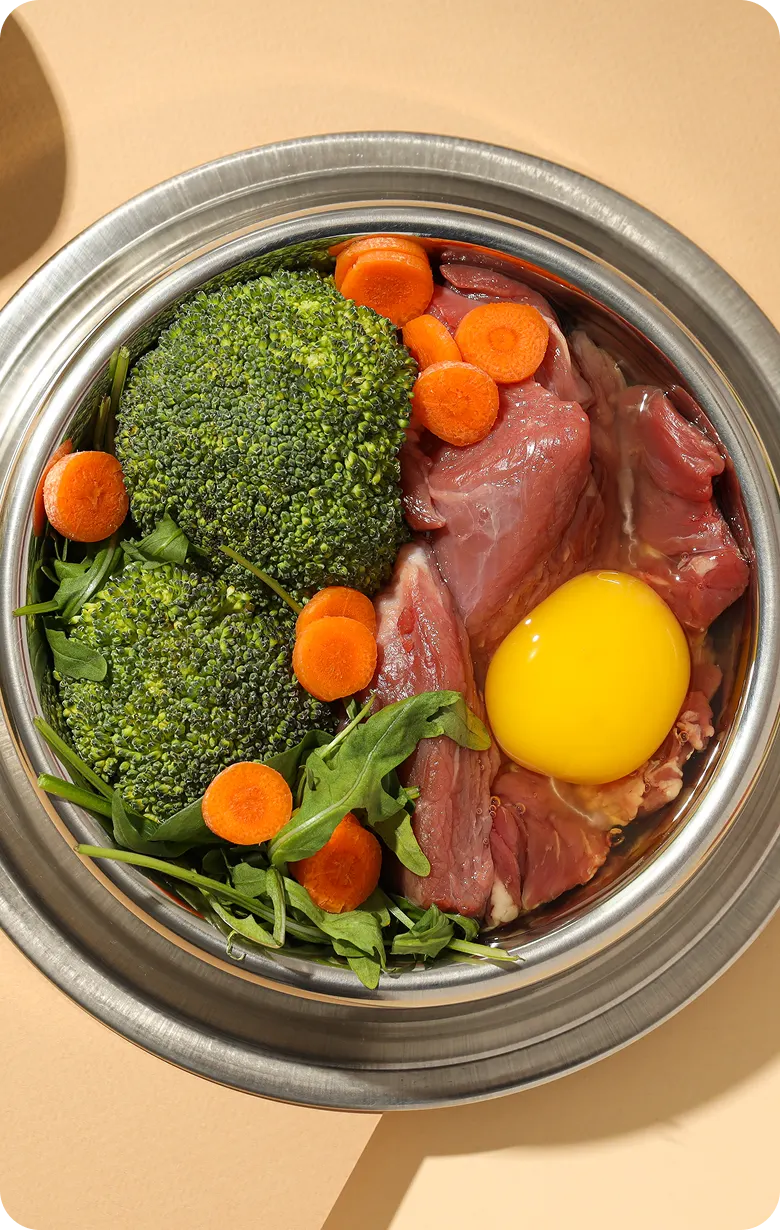
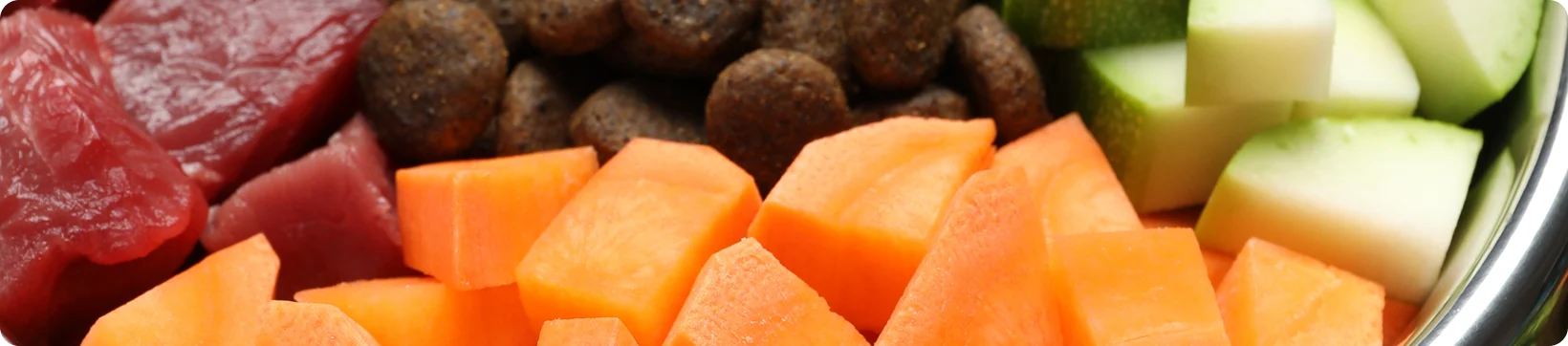
A nutritionally complete fresh dog food bowl follows a recognisable structure. Roughly 40-50% should be a high-quality animal protein like chicken, mutton, fish, or in vegetarian formulations, paneer and eggs. Around 15-20% should be organ meat, particularly liver, which is nature's multivitamin and provides retinol, B12, copper, and iron in their most bioavailable forms. Another 25-30% should be carefully selected vegetables and a small amount of low-glycaemic carbohydrate, such as pumpkin, carrot, spinach, sweet potato, or brown rice. The remaining 5-10% covers healthy fats and supplements: omega-3 from fish oil or flaxseed, calcium, and trace minerals.
This is not arbitrary. It mirrors the dietary composition of a wild canid's prey, muscle meat, organ, stomach contents, bone, and a fraction of plant matter. Modern fresh dog food brands recreate this structure using ingredients sourced from human-grade supply chains, then balance it to meet AAFCO standards through laboratory testing. Wagg N Dine's Human Grade meal plans follow this exact architecture, with proteins rotated across chicken, mutton, and fish, and vegetable matrices adjusted to suit Indian seasons.
Common Indian Feeding Problems Fresh Dog Food Solves
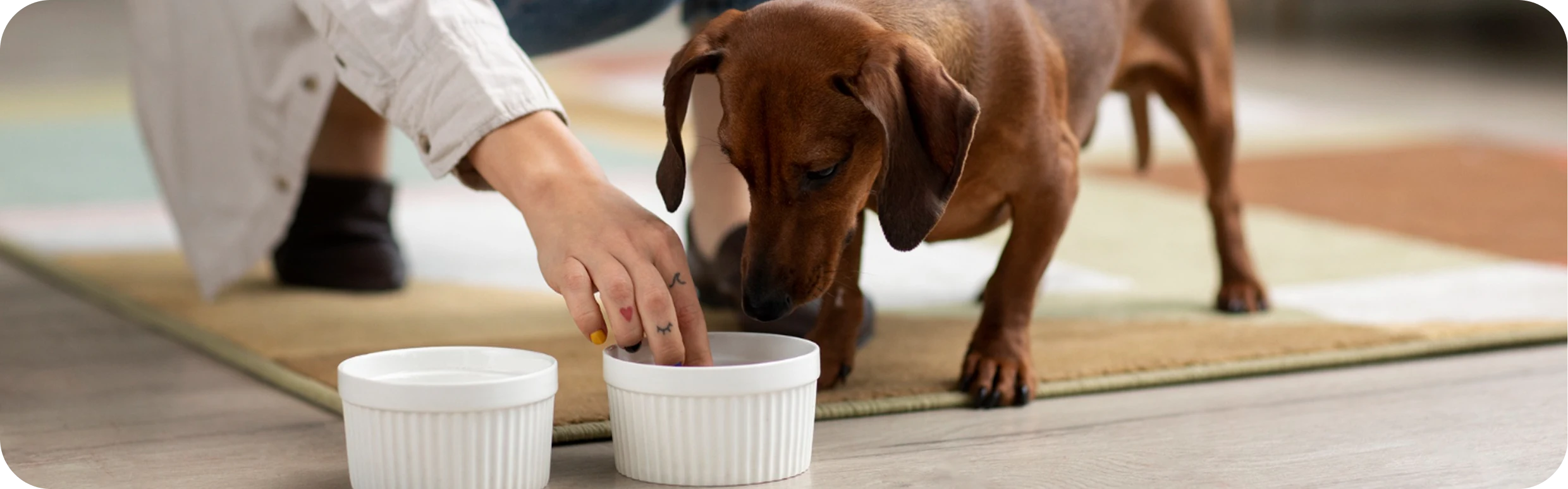
Indian pet parents face a specific cluster of feeding challenges that fresh dog food addresses directly.
- Heat: India spends six months of the year above 30°C in most cities, and kibble loses palatability and nutrient quality fast in heat and humidity. Fresh dog food, delivered in temperature-controlled packaging, sidesteps this entirely.
- Sensitive stomach problem: Indian dogs, particularly the popular small and medium breeds like Pugs, Beagles, Cocker Spaniels, and Indies, frequently present with chronic loose stools, gas, and skin allergies on commercial diets. The cause is almost always a mismatch between the dog's gut and the cocktail of fillers, low-grade proteins, and preservatives in their food. A switch to fresh dog food typically resolves these symptoms within two to four weeks. We discuss this in detail in our cluster article on the best dog food for a sensitive stomach.
- Dietary transition for senior or sick dogs: Diabetic dog food formulations, low fat dog food for pancreatitis recovery, and renal-supportive diets all benefit dramatically from a fresh, controlled-ingredient base. When you know exactly what is in the bowl to the gram, you can manage a chronic condition with precision that kibble simply cannot offer.
- Finickiness: Many Indian pet parents complain their dog has 'become picky'. Picky is rarely the right diagnosis. The dog has likely lost interest in food that smells stale and tastes synthetic. Fresh dog food, with its real-meat aroma, almost universally restores enthusiasm at the bowl.
Fresh Dog Food and Specific Health Conditions
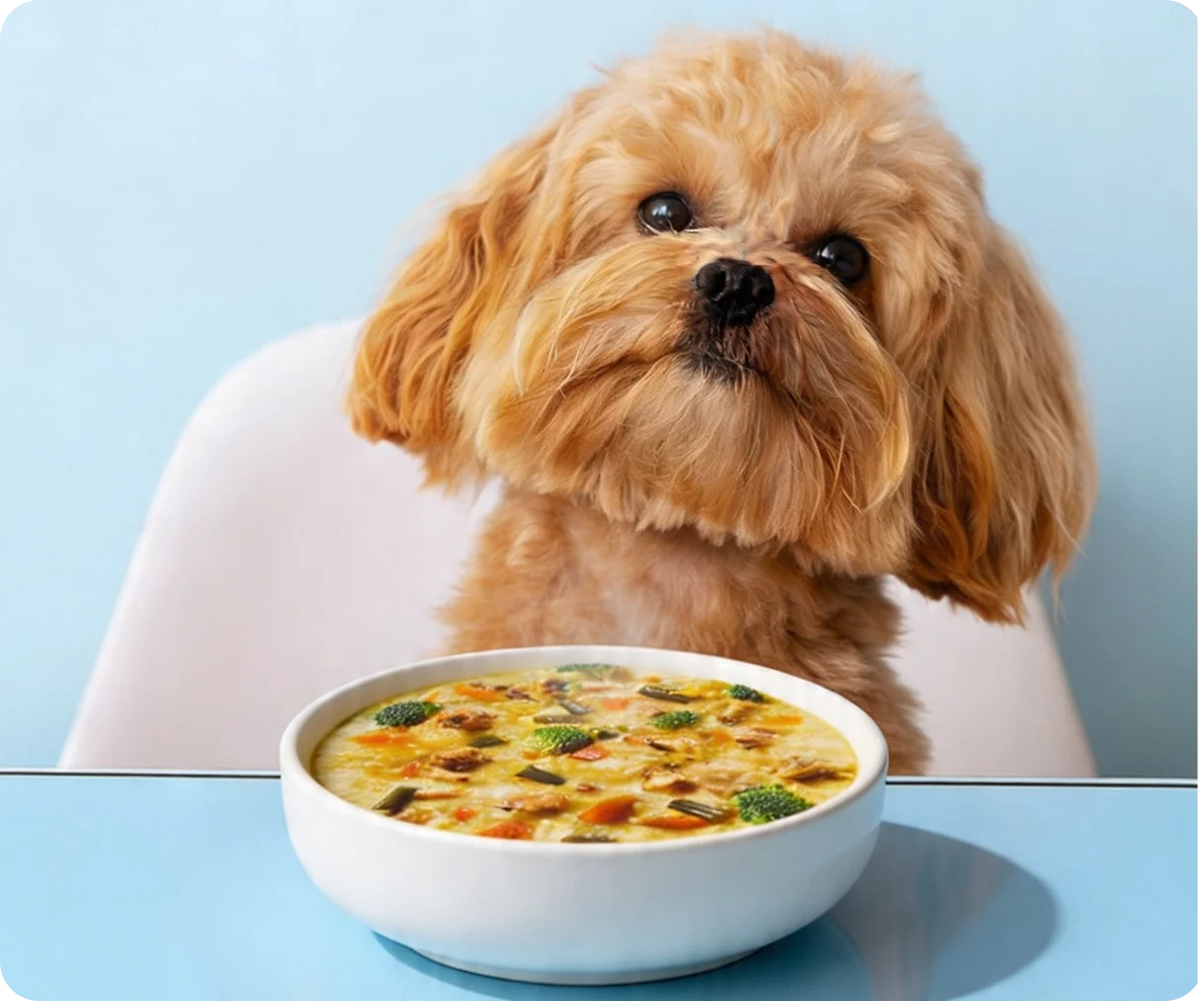
Modern veterinary nutrition recognises that food is the first line of intervention for many chronic conditions. A diet of fresh dog food can be tailored through portion size, fat ratio, fibre content, and protein source to support several common ailments.
For dogs with weight issues, a low fat dog food preparation built on lean fish or chicken breast with high-fibre vegetables provides satiety without calories. For dogs with diabetes, fresh dog food with stable, low-glycaemic carbohydrates eliminates the post-meal blood sugar spikes that kibble triggers. For dogs recovering from gastric upset, plain rice and boiled chicken, the classic veterinary bland diet is itself a form of fresh dog food, and a properly formulated subscription meal builds on this principle while remaining nutritionally complete.
Bone broth deserves a separate mention. A simmered broth of chicken bones, vegetables, and apple cider vinegar supplies collagen, glucosamine, glycine, and electrolytes in a form that even sick dogs will accept. Most quality fresh dog food providers include broth-based meals for sick days, post-surgical recovery, and senior dogs.
Foods Indian Pet Parents Ask About Constantly
The most-Googled questions in Indian pet parenting are some versions of ‘can dogs eat bananas, mangoes or nuts etc?’ and they reveal something important. Pet parents are looking for fresh, real food alternatives. The short answer for most queries is: yes, in moderation, prepared correctly. Mango (without the pit) is safe and delicious for dogs. Bananas are fine in small amounts. Eggs, properly cooked, are an excellent protein source. Plain cheese in tiny quantities is a good training treat for non-lactose-intolerant dogs. Plain cooked rice is a digestive staple.
What dogs must never eat are: chocolate, grapes and raisins, onions, garlic in large amounts, xylitol-containing peanut butter, macadamia nuts, the pits of stone fruits, raw bread dough, and alcohol. Fresh dog food meal plans are designed by canine nutritionists who have already done this work for you, removing the guesswork from every bowl.

How Fresh Dog Food Delivery Works in India

The mechanics of fresh dog food delivery in India have matured rapidly over the last three years. A modern provider operates as a cloud kitchen a centralised, regulated kitchen that prepares meals fresh, packs them in sealed portions, freezes or refrigerates them, and ships them on a subscription cadence to your door.
The subscription model is the key. Daily fresh meals are operationally complex; subscription delivery is operationally elegant. You enrol your dog, share basic information like breed, weight, activity level, health conditions and the provider builds a meal plan that arrives weekly, biweekly, or monthly depending on your storage capacity. Wagg N Dine offers both monthly and annual plans, with the annual subscription delivering meaningful savings for committed pet parents who have already made the switch.
How to Choose the Right Fresh Dog Food Brand
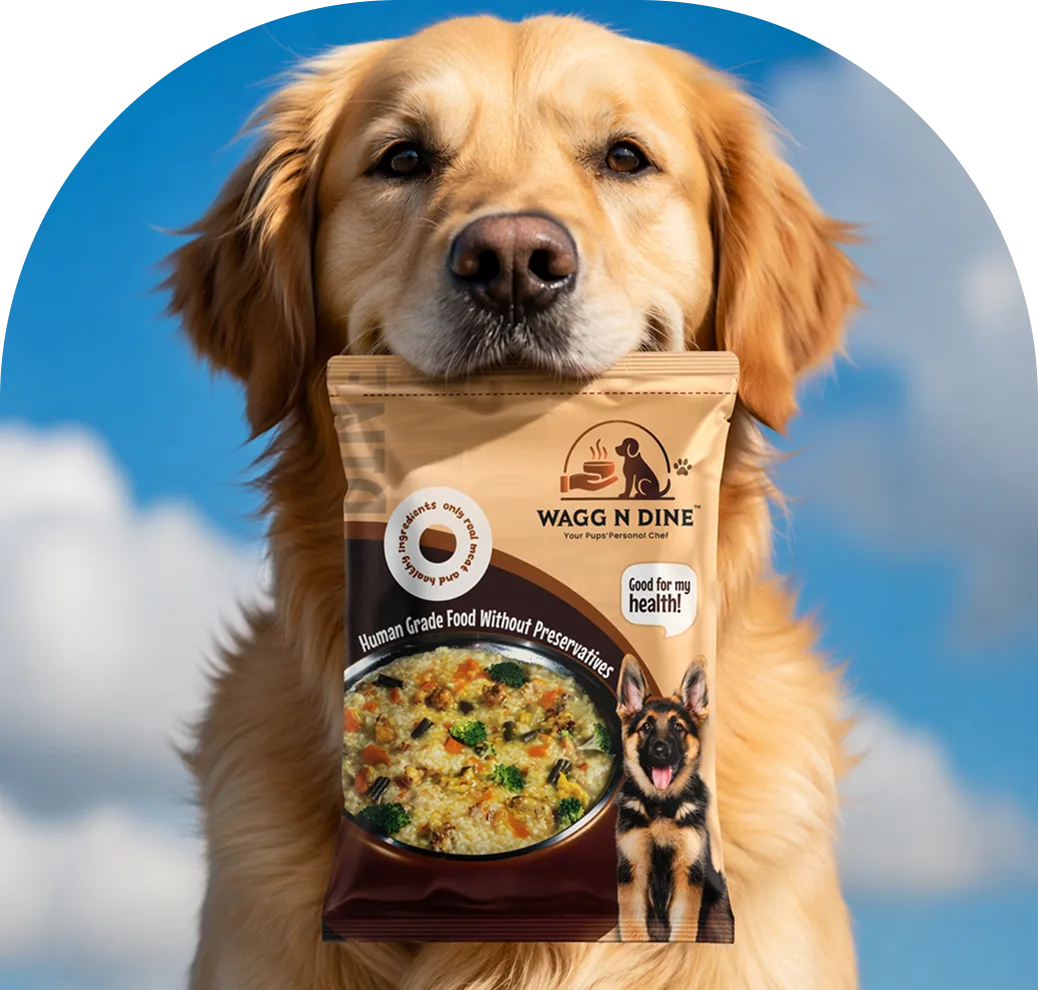
The Indian fresh dog food market now includes a number of credible providers, and choosing among them requires a clear evaluation framework. Look first at ingredient transparency, the brand should publish its full ingredient list and protein percentages, not just hide behind marketing language. Look second at nutritional formulation, meals should be designed by a qualified canine nutritionist or veterinarian, not by a marketing team. Look third at sourcing , human-grade meat is the minimum bar; bonus points for traceable, antibiotic-free, hormone-free supply chains.
Look fourth at packaging and cold chain, fresh dog food only stays fresh if it travels in the right temperature regime. Brands that compromise on cold chains for cost are compromising on safety. Look fifth at customer service and flexibility, your dog's needs will change over time, and the brand should adjust meal plans accordingly. Finally, look at trial options. A reputable fresh dog food provider should offer a low-commitment way to test palatability and digestion before you commit to a long subscription.
The Wagg N Dine Human Grade Difference
Wagg N Dine is built on a single conviction: an Indian dog deserves a meal as honest, fresh, and nutrient-dense as anything that goes onto an Indian family's dinner table. Our cloud kitchen sources human-grade chicken, mutton, fish, and vegetables from suppliers that meet food-grade standards, not feed-grade standards. Every recipe is formulated by a canine nutritionist and balanced to meet AAFCO maintenance profiles.
Our subscription model monthly for flexibility, annual for the most committed pet parents is designed for the realities of Indian households. Meals arrive on a predictable schedule, in portion-sized packs sized to your dog, with feeding guides that account for breed and activity level. There are no preservatives, no artificial flavours, no rendered meals, no by-products. There is real food, gently cooked, delivered fresh.
The proof, as ever, is in the bowl. Pet parents who switch to Wagg N Dine's fresh dog food typically report shinier coats within three to four weeks, smaller and firmer stools within one week, increased energy and engagement at mealtimes from day one, and noticeable improvements in skin allergies, ear inflammation, and digestive complaints over the first two months. These are not promises; they are the predictable consequences of feeding a dog the food a dog is meant to eat.
Making the Switch: A Practical Roadmap
- Transitioning to fresh dog food is straightforward but should not be rushed. The recommended protocol is a seven-to-ten-day gradual introduction. Days one and two: 75% old food, 25% fresh dog food. Days three to five: 50/50. Days six to eight: 25% old food, 75% fresh. Day nine onwards: 100% fresh. Some dogs adapt within three days; sensitive stomachs may need a slower fourteen-day transition. Watch the stool quality as your guide; firm, well-formed, less odorous output means the gut has adapted.
- Once on full fresh dog food, the long-term routine is simpler than kibble: open the pack, serve at room temperature, refrigerate any leftovers within thirty minutes, and follow the portion guide. Most pet parents find that fresh dog food makes the entire feeding ritual more pleasant: the dog is excited, the food smells like food, and there is no longer the lingering, vaguely industrial scent that dry kibble leaves in the kitchen.
- Fresh dog food is not a luxury. It is, increasingly, the new baseline of responsible pet parenting in India. The dogs who eat it live healthier, happier, longer lives, and they make the case for the switch every single day, in the bowl and out of it.

Start Your Dog's Fresh Food Journey
Ready to give your dog the diet they deserve? Wagg N Dine's Human Grade meal subscription delivers vet-formulated, human-grade fresh dog food directly to your door with monthly and annual plans designed for Indian pet parents. Tell us about your dog, choose your plan, and let us handle the rest. Your dog's best years start at the next bowl.
